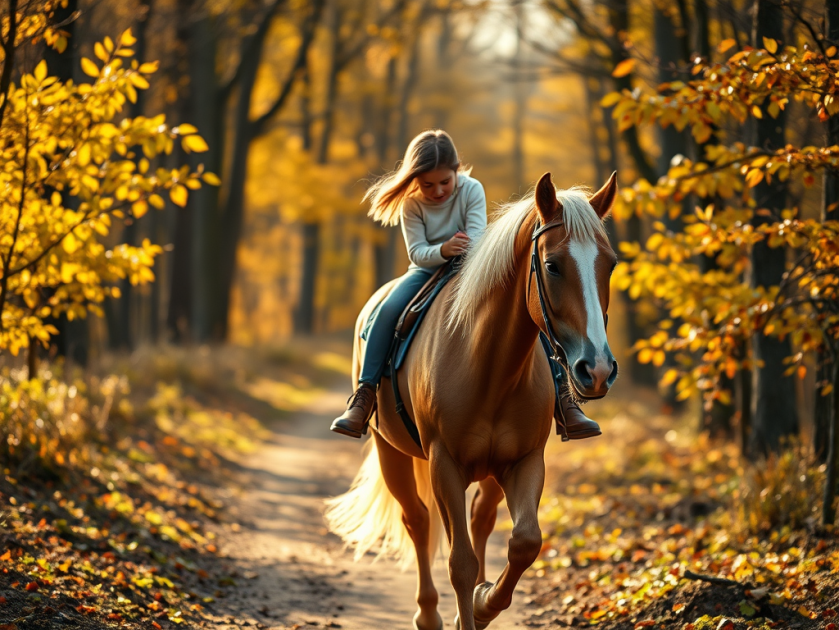
I was most myself and even lost myself atop that horse I rode every day. I was happy. I was free.
I didn’t own a saddle. There was no bit or bridle to steer, so I grabbed lead rope and mane, sat deep, and forged acres of wooded trails. Like any other kid, I was unaware of danger or misfortune. I was fearless.
We jumped logs, swam in the lake, and galloped up and down the grassy hills with the wind rustling our ears. That tricksy wind swept me up and gave me reason to believe I was truly flying.
The seasons trampled on like the sound of hooves crunching decay under a canopy of naked hardwoods. Winter always arrived right on time in Northern Michigan. The birds took flight, taking their songs with them.
But that didn’t stop my comrades and me from braving the cold. Plastic sleds were hitched with baling twine behind our ponies to drag us around the snow-covered fields.
Inside the happy chaos of barking dogs and laughter peals, we plowed on with soaking snow up our mitts and down our boots. Nothing could dampen our spirits.
Nearly feral, I practically lived outdoors as a kid. My worried mom tried to teach me the fine art of housekeeping by forcing me to dry the dishes each night after supper. I hated drying dishes.
My older sister always got to wash. I wanted to be the one washing. I can still see her hands, red from the hot water, dotted with bubbles. Her long, manicured nails chipped baked-on food off the side of a casserole dish. Oh, she was a girly-girl through and through. And she was a mean girl, said every little sister everywhere!
Our bedrooms were right next to each other. From the other side of the wall, I got the distinct pleasure of indulging in whatever records she was spinning. I most remember Rod Stewart’s Handbags and Gladrags and Maggie May entrancing my ears. Secretly, I loved every bit of it, especially when Carol King chimed in. I wished I had a friend like her.
Nowadays, I’d give anything to have my sister back. To rob her closet of a cool t-shirt and snoop through her dresser drawers. I’d love to hear her yelling at me as I ran through the living room, interrupting her Saturday TV with Mr. Dick Clark.
I wish I could have known how little time I had left with my older brother and sister. A few years later, they would both be gone. Life gives and takes so much more than we bargain for, doesn’t it?
And isn’t it just like us humans to take it all for granted? How could we know? How could we realize what we possess when we’re in the midst of it all and distracted by something so buttery, so succulent, and so good?
Today I caught a glimpse of the forest for the trees. Centered behind the withers of that half-broke horse, I inhaled every delicious scent, sight, and sound. I was everything I wanted to be, plodding those dirt trails. I was at peace. I was happy. I was free.
I am unearthed and comforted by their voices in my spirit. Looking back now, I am surely convinced I took all the right paths. My mother’s attempts at lessons in housekeeping, by way of a few wet dishes, will never persuade me otherwise.
What does it mean to be human, created in the image of God? What of race, creed, and religion? Who has the final say in protecting people, their rights, and possessions? Our past experiences and those of our ancestors will certainly color our response to such profound questioning. Throughout history, the resilience of the human spirit has proven itself to be lion-hearted, no matter our history or heritage.
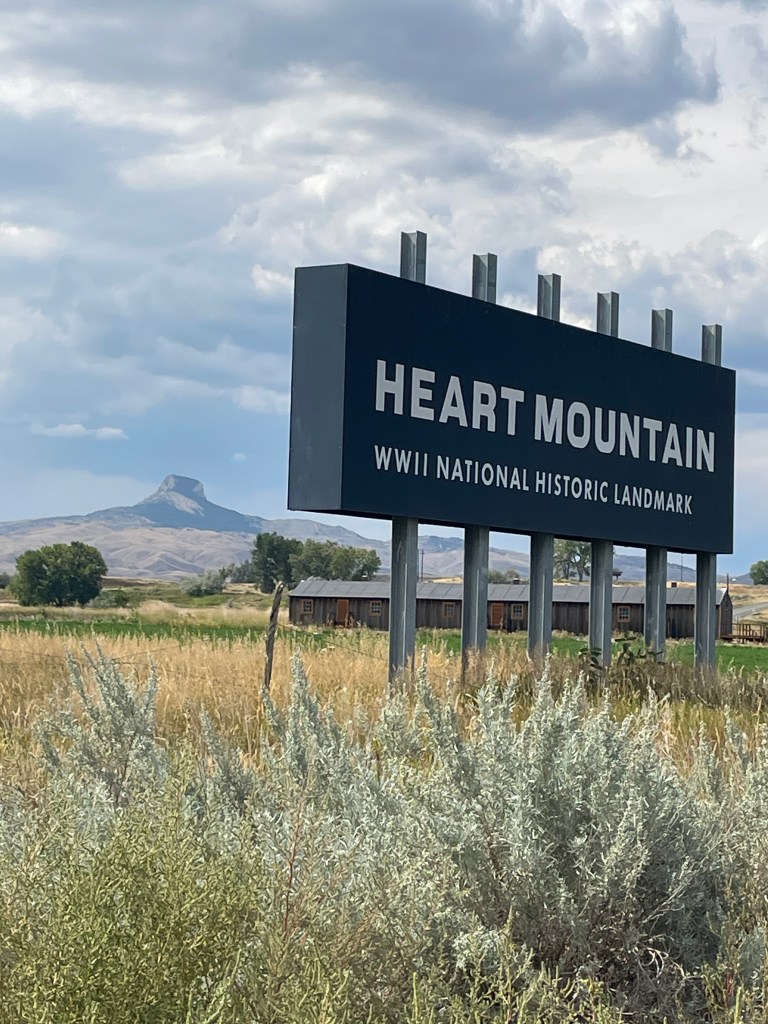
“We need to help people know what happened, that it could happen to anyone, and that it must not be repeated.” says Ray Locker, communications director and strategist for the Heart Mountain Wyoming Foundation. He works to help preserve and memorialize the Heart Mountain WWII Japanese American Confinement Site located between Powell and Cody, Wyoming.
History Lesson
As World War II raged on, President Franklin D. Roosevelt signed Executive Order 9066 ordering 120,000 Japanese Americans residing in California, Washington, and Oregon from their homes. In the fall of 1942, 14,000 people, two-thirds of whom were native-born American citizens, arrived by train to the confinement site at Heart Mountain, Wyoming. These people were deemed dangerous spies and saboteurs.
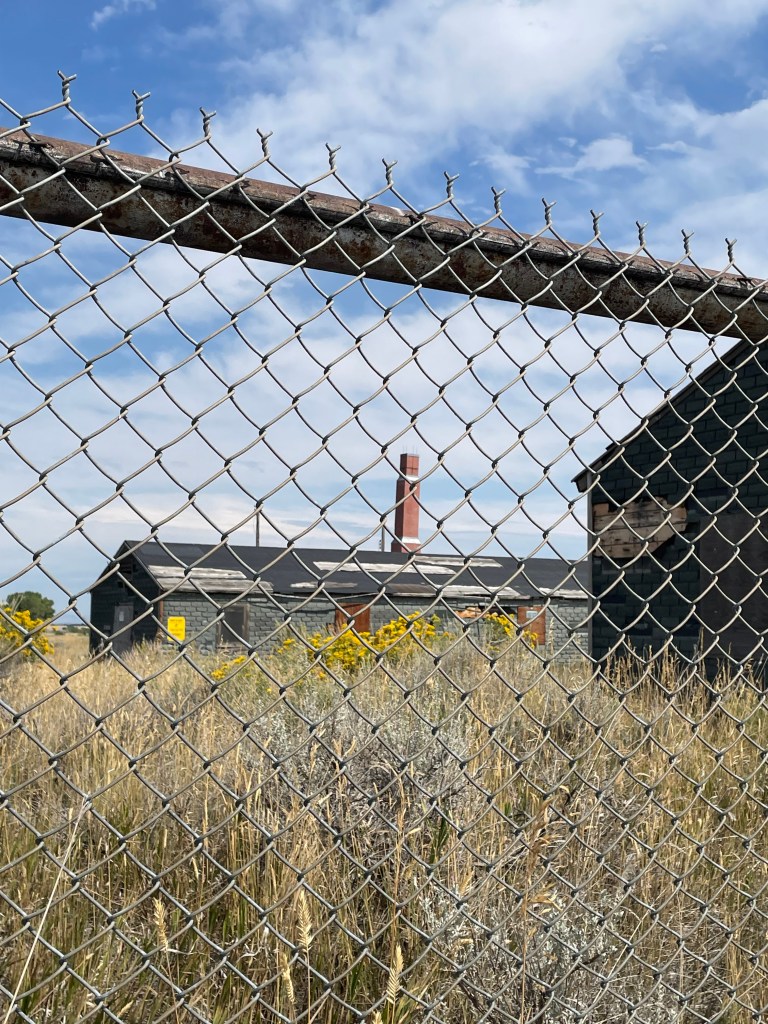
Bringing only what they could carry, they were assigned a family number and space in a tar paper barrack. Inside these crude structures hung a light bulb in the center of the room with a stove for heat standing in the corner. There was also a military-issue cot and blanket. (heartmountain.org) In the shadow of Heart Mountain, surrounded by barbed wire and guard posts, the harsh mountain and high desert weather conditions would expose these families to frigid temps in the winter and blistering heat in the summer. Most had come from more temperate climates and didn’t even have a coat to wear. The government promised a clothing allowance that was late in coming.
An obvious struggle for normalcy, internees did their best to keep their families close and recreate a sense of community. They established schools, a hospital, and a fire and police department. TheHeart Mountain Sentinel, the camp’s newspaper, chronicled everyday activities as people worked their various roles from teachers to farmers, artists to musicians, attempting to maintain a semblance of productivity and purpose.
The 150-bed Heart Mountain Hospital was built and opened on August 28, 1942. The boiler chimney, reaching over 75’ high, still stands as a sentinel over the camp site today. The hospital, staffed by 150 employees included a white Chief Medical Officer and Chief Nurse, Japanese American physicians, nurses, aides, dentists, pharmacists, and orderlies. Some 182 people died at the camp from illness, injury and age. 548 babies were born there. And life forged on in this makeshift place called home.
As food shortages plagued the camp early on, James Ito, a recent college graduate in soil sciences, began to prepare the surrounding unfarmed lands. Though the land seemed desolate and unproductive, the internees farmed over 1,100 acres of lettuce, peas, napa cabbage, daikon radishes, carrots and cantaloupe, as well as managing hog and poultry operations.
Though the injustices of their situation fostered feelings of anger, frustration, and confusion, so too the strength of community and the bonds of family fostered an even greater hope. A hope which would be needed to prevail upon when released from the camp in early 1945. When these brave Japanese Americans left Heart Mountain they were given $25 and a train ticket to their chosen destination. Upon their return many had lost everything as homes, businesses, and savings were gone –seized or sold off in their absence.
They found themselves wanting to forget the pain and trauma of incarceration at the camps, but in doing so inadvertently helped America to forget also. Thus, the grants and endowments being offered in 2006 by President Bush to encourage and support the preservation and interpretation of such historic confinement sites. Many “children of the camps” are now being encouraged to speak up about their experiences to help “heal the trauma of imprisonment and free the next generation from the pain of silence”.
The human spirit does not give up so easily.
Song of Evacuation
A poem by: Shisei Tsuneishi, Fall 1942
Finally the day arrived.
With five thousand friends we left
Our flowered California
Crossing over deserts and states
To deep in the mountains two thousand miles away.
“Enemies” we are labeled
Though rightful citizens
Our children are.
In the wild world of war
And the vortex of its waves,
We are caught, like it or not.
In our heart there is fear.
But deep within, there’s a ray of hope
That shines and spreads like the sunshine.
The mercy of strange fate, indeed,
For us all.
In this desolate corner of Wyoming
Ten thousand beings entrust their lives,
Oh Heart Mountain, if you have heart,
Please show a proud and noble people
The way to our future.
Past and Present
Sam Mihara, a second-generation Japanese American, at the age of nine, was forced with his family to move to the Heart Mountain prison camp. When the war ended they moved back to San Francisco. Sam went on to attend Wilmerding High School, U.C. Berkeley, and UCLA where he earned engineering degrees. He became a rocket scientist and later joined Boeing to become an executive on space programs.
After retirement, he changed careers and in 2011 he became a national speaker on the topic of mass injustice in the United States. Mr. Mihara is a board member of the Heart Mountain Wyoming Foundation as he informs educators, schools, libraries, government attorneys, law schools, and other organizations interested in his wartime experiences through public speaking of which he has been awarded the Paul Gagnon Prize as history educator in 2018. In 2022, Sam was awarded the prestigious honor, the Biennium Award for Education, from the Japanese American Citizens League. He has spoken to over 103,000 students of all ages in 450 speeches across the world.
Another Japanese American overcomer, William “Bill” Higuchi, who passed away on May 10, 2024 at the age of 93, was incarcerated with his family as an 11-year-old boy. He went on to become a pioneer in pharmaceutical sciences and was a professor at the universities of Michigan and Utah where he mentored hundreds of students from around the world. A loving husband and father, he pushed beyond the memories and trauma of the family’s confinement to touch many lives with his gifts and talents. His generous support went a long way in establishing the Heart Mountain Wyoming Foundation. In later years he spoke of how he “made it in life and now his job was to share his story so it never happens to anyone again.”
The Heart Mountain Wyoming Foundation (HMWF) took a major step in preserving this history when it opened the Heart Mountain Interpretive Center in August 2011. Now recognized as a National Historic Landmark and a Smithsonian affiliate, it joins the Buffalo Bill Center of the West as only the second Wyoming museum with such honor and opportunity. Being chosen as an affiliate gives HMWF opportunities to collaborate with the Smithsonian with broader reach for educational programs, workshops, youth programs, and traveling exhibitions to name a few.
“Our world-class museum has attracted interest, both nationally and internationally, signifying the impact of the power of place.” says Shirley Ann Higuchi, daughter of William “Bill” Higuchi and chair of the Heart Mountain board. She has also authored Setsuko’s Secret –a poignant revelation and depiction of her parent’s story of incarceration, also expounding on her mother’s vision for a museum at the site of this former camp.
Recent Endeavors
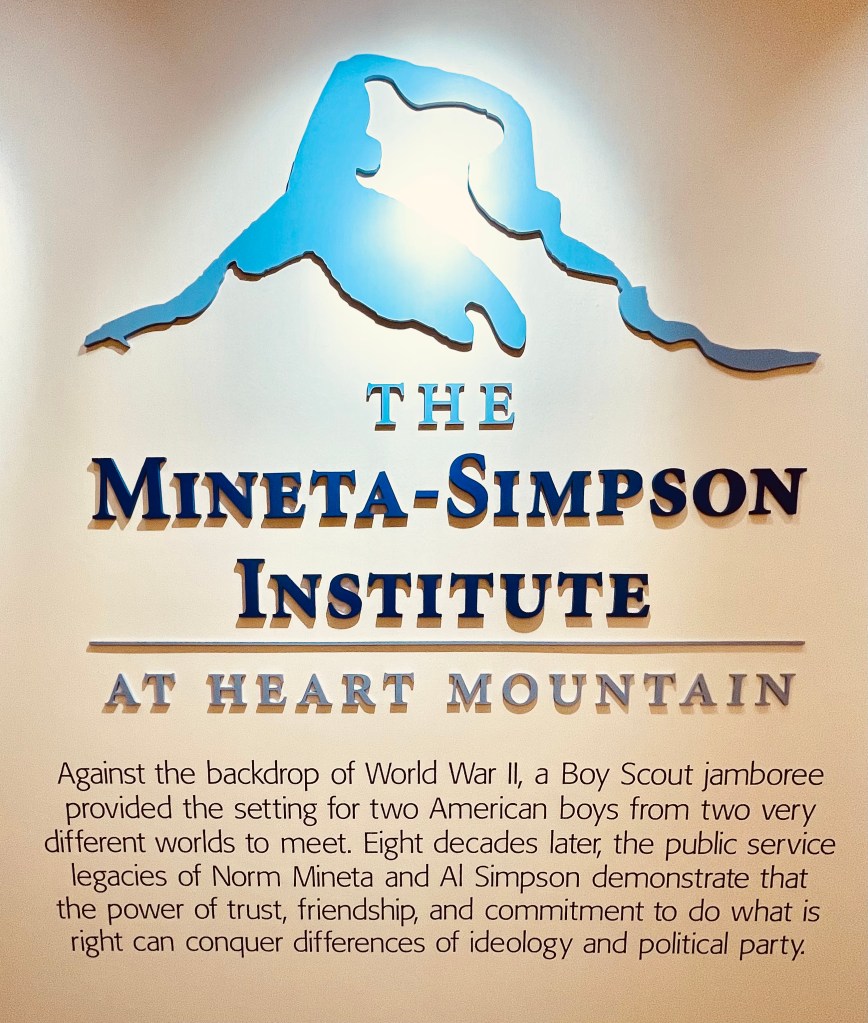
The Mineta-Simpson Institute celebrated its official opening in July, 2024. This permanent exhibit honors the lifelong friendship between Wyoming Senator Alan K. Simpson and the late Secretary Norman Y. Mineta. The two met in childhood as boy scouts at the Heart Mountain camp and have remained lifelong friends. Throughout their lives, Simpson and Mineta worked together to bridge political divides, advocating for civil rights and justice. The Mineta-Simpson Institute now serves as a space for dialogue on civil and human rights, offering workshops, lectures, and art exhibits to foster empathy, courage, and cooperation.
Recently, the National Park Service, Department of the Interior has granted $852,000 in restoring the original root cellar near the camp. “30,000 cubic feet of storage 300’ long by 35’ wide, this structure tells the story of determination, agriculture, and farming, and how people actually made lives for themselves here at Heart Mountain,” says Cally Steussy, manager, Heart Mountain Museum. The monies allocated are also good for surrounding communities by enlisting local builders and suppliers in the restoration efforts.
The Heart Mountain Interpretive Center offers ongoing tours between 10:00 to 5:00 daily. Visitors can learn about the heartfelt experiences of the internees and a broader context of the preservation of this dark chapter in American history.
Ultimately, the story of Heart Mountain WWII Japanese American Confinement Site is one of hope. It’s the story of people who, despite being torn from their homes and lives, rose above their circumstances. This legacy of resilience and strength must be remembered, cherished, and preserved to teach and inspire our children and grandchildren in the generations to come. Visit heartmountain.org or call 307-754-8000 for more information.
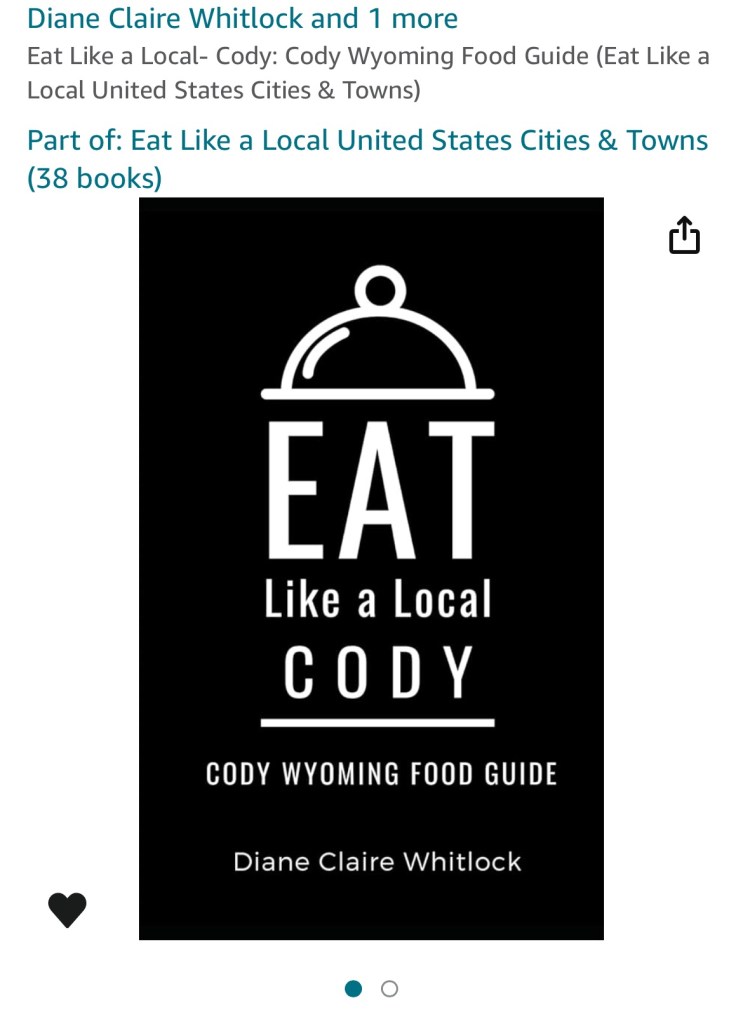
In witty and local parlance, you will learn the history of buildings, establishments, owners, prominent figures, flavors, menus, and availability in one short compilation.
Plan your vacation today to “The Rodeo Capital of the World” and the home of “The Buffalo Bill Center of The West “—where five Smithsonian-affiliated museums are all under one roof.
Cody, Wyoming, the east gateway to “Yellowstone National Park” welcomes you into adventure and warm, Western hospitality in the most beautiful place on earth.
Stay at one of many historical hotels and dude ranches.
Mingle with the local cowboys and cowgirls on a mountain trail high atop a trusty steed or at the rodeo, and wander the wooden sidewalks of “Old Trail Town” to soak up local lore.
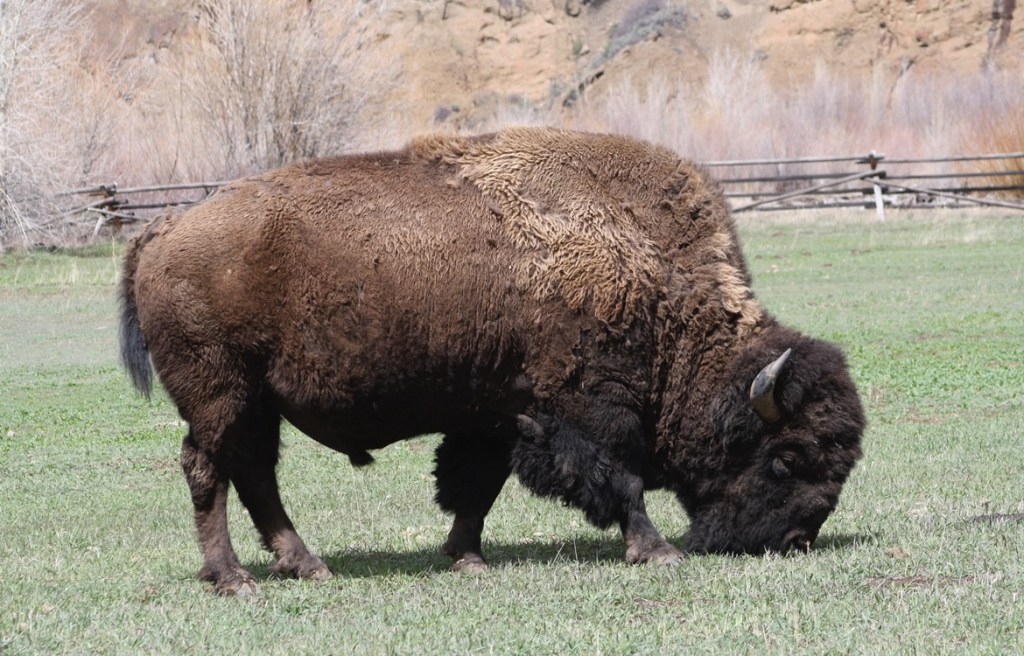
…give me a home where the buffalo roam
There’s music, there’s shopping, there’s chuckwagons, there’s campfires, there’s stories to be told, and lifelong friends to be made. When you’re here, you’re free.
I started a boutique, commercial bakery several years ago knowing as an empty nester I had to carry on with my one, adventurous, beautiful life without children in the home.
I attained a bakery startup certificate and coupled it with my years of making croissants, breads, cookies, cakes, and my utter obsession with the culinary arts.
This, my friends, was oh so romantic… at the start! Nowadays I say: “Note to self: never start a bakery at the age of 57!” (One of life’s little morsels of wisdom you attain if you live long enough to realize how integral it is to befriend wisdom.)
Needless to say, with my entrepreneurial spirit, my boutique bakery, ‘have pastries, will travel,’ soared to astronomical heights. I had to set grand parameters for my weekly baking as a one- woman band –which only made my product more desirable.
Not to boast, but my breads and pastries are of the highest quality, made with the most love and attention to detail, and it truly shows! Customers will always be drawn to this level of quality.
I would like to share the books that I read on the way up. I hope they will inspire you to keep going and truly excel and enjoy your passion like never before.
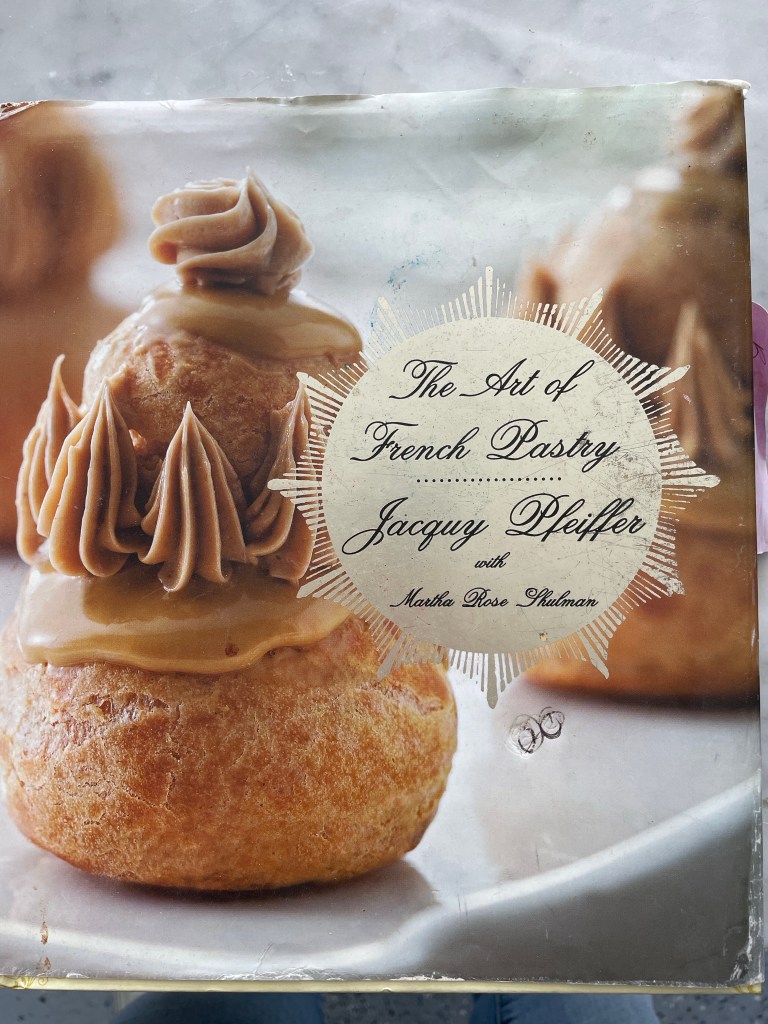
The Art of French Pastry
2013 Alfred Knopf/New York
Authors: Jacquy Pfeiffer with Martha Rose Shulman
This comprehensive cookbook serves as a textbook, building on the basics of French pastry and helping the reader to have a good understanding of the science of baking, ingredients, and how they work together. The precision in these recipes is exactly what’s needed to not just succeed in a French bakery but to excel. Get yourself a good scale to ensure exact measurements, promoting the much needed consistency in your product.
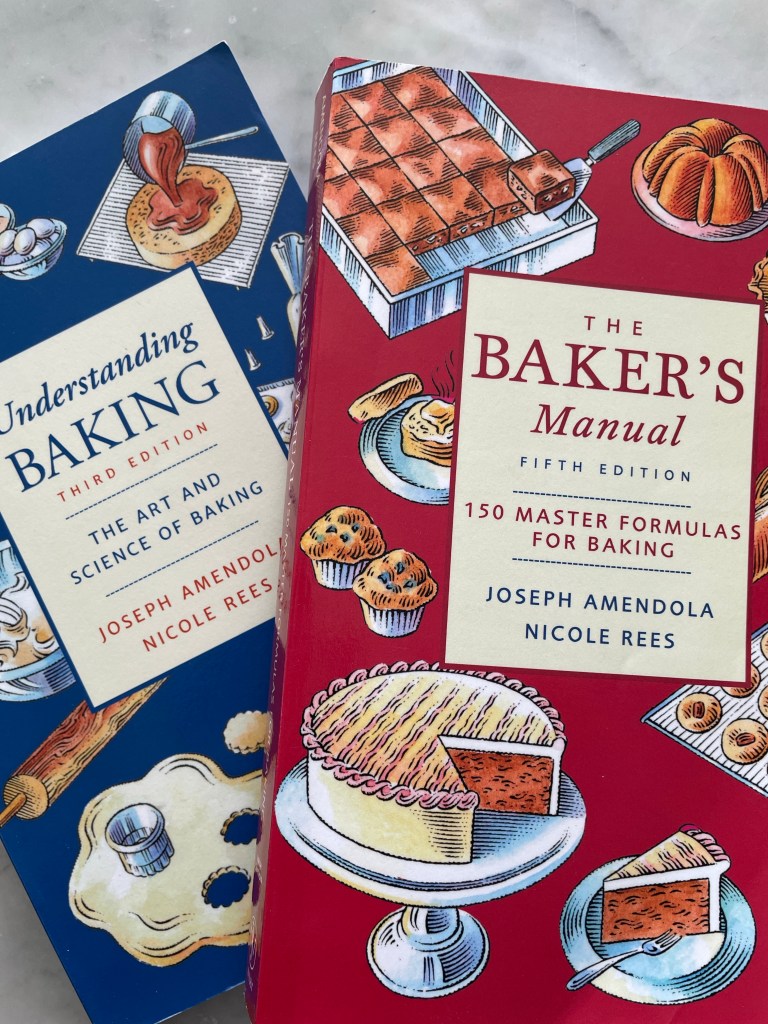
Understanding Baking 3. The Baker’s Manual
2003 John Wiley & Sons, Inc./New Jersey
Authors: Joseph Amendola and Nicole Rees
The first of these two manuals, Understanding Baking, is wonderful, practical information to answer all of your baking questions pertaining to flour, yeast, laminating procedures, fermentation, sugars, eggs, fats, baking physics, cakes cookies pies and tarts.
The second, The Baker’s Manual includes 150 master baking formulas for you to implement, incorporate, and build into your menu/repertoire. No bakery should be without these two instrumental resources on its shelf.
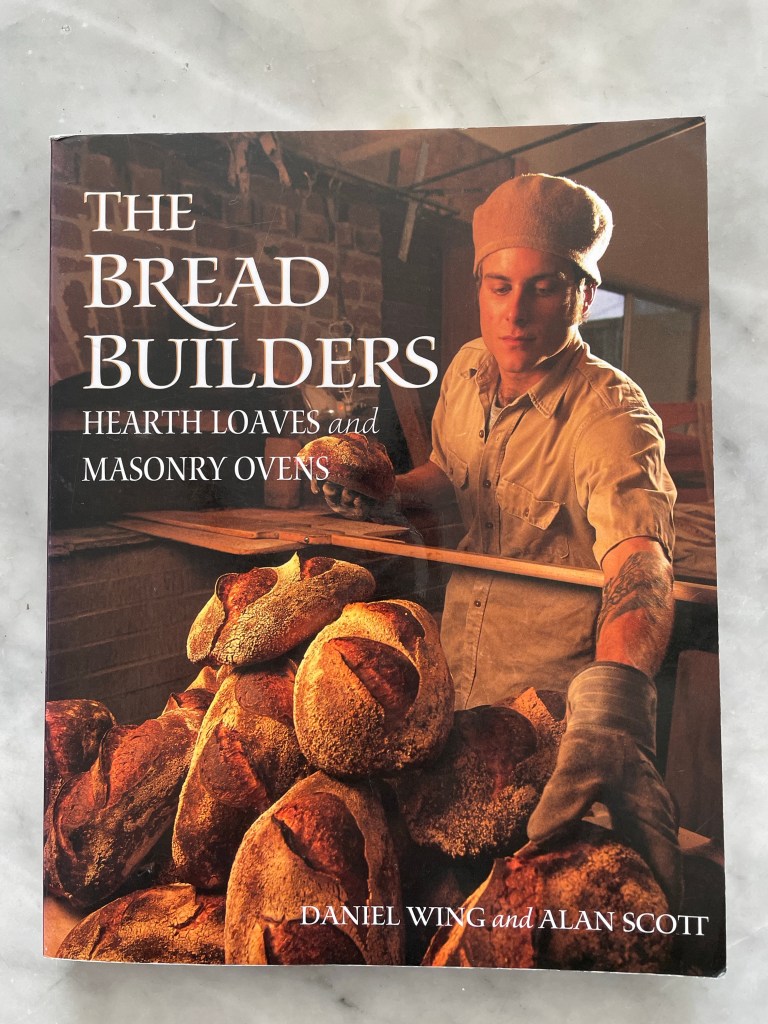
4. The Bread Builders, Hearth Loaves and Masonry Ovens
1999 Chelsea Green Publishing Company
Authors: Daniel Wing and Alan Scott
By far one of my favorite books about artisan breads, this informative book boasts grains, flours, leavens, dough, dough development, baking, ovens, masonry ovens and the building of masonry ovens. The passion for detail and craft shines through these artists and is contagious. I developed my famous Wild Wyoming sourdough starter from the instructions of this very book.
5. The Pastry Chef’s Little Black Book, The Definitive Recipe Collection; For Chef’s, By Chefs
2017 The Chef’s Connection
Authors: Michael Zebrowski and Michael Mignano
Again, a must have for any successful bakery, needing great recipes that are absolutely tried and true. From doughs to chocolate, cakes to pies, mousses to confections, this perfectly laid out, big, black book will not fit in your pocket, but straight away on your bread bench – just within reach. Not filled with fluffy entremets, but all the components necessary to build your bakery’s signature dishes, this book is foundational and inspirational for whipping up your passions into customer favorites!
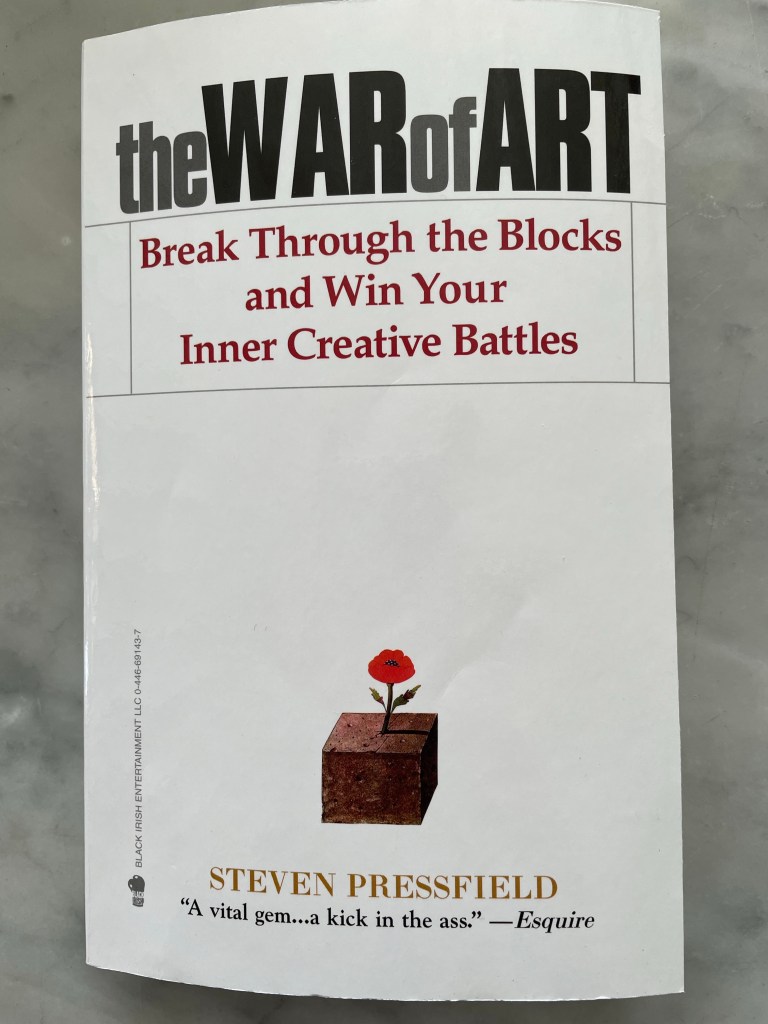
6. The War of Art, Break Through the Blocks and Win Your Inner Creative Battles
2002 Black Irish Entertainment, LLC
Author: Steven Pressfield
I add this remarkable, insightful book to the list to encourage you to never forget why you do what you do. You are a passionate creative and baking is one of the most creative and challenging professions a person could ever pursue.
Owning/managing a bakery has to be something you absolutely must do. In other words, something you can’t not do. If it isn’t, you need to move on without shame or judgment and choose another profession. These pages contain great wisdom in short vignettes for easy digestion and deeper understanding.
Sectioned into three ‘books’: Resistance, Combating Resistance, and Beyond Resistance, once you’ve chewed on it long enough, it really sheds light on our fears and those mysterious things that may be holding us back from reaching our full potential. Read it every day!
7. Barefoot in Paris, Make it Ahead, Cooking for Jeffrey
2004, 2014, 2016 Clarkson Potter/Publishers, New York
Author: Ina Garten
Clear, simple, elegant cooking and baking that will enhance every menu, Ina’s recipes are easy to understand and boast quite flavorful results. Plus, if need be, you can watch step by step on her videos and shows that are broadcast everywhere.
I have baked up several different items for my menu from these easy-to-follow cookbooks which have become local favorites.
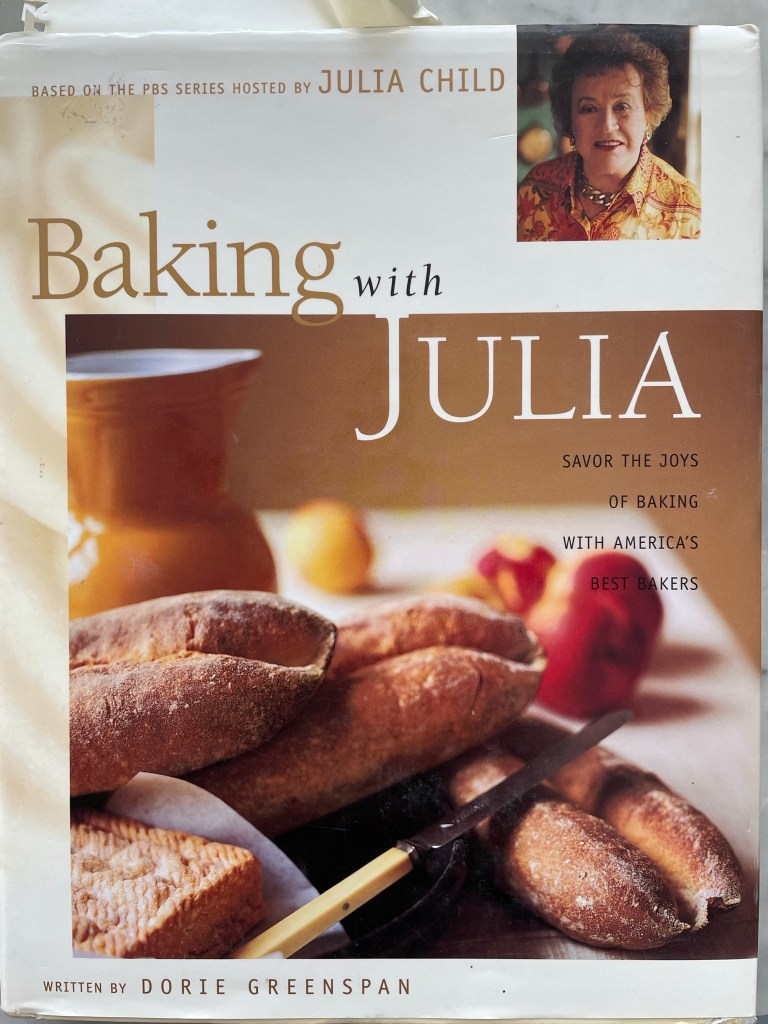
8. Baking With Julia
1996 A La Carte Communications, Inc.
Author: Dorie Greenspan
Written in conjunction with 26 bakers, with the overseeing of Julia herself, this all-purpose, how-to baking book is delightful and packed full of some of the most versatile and tasty recipes a cookbook can afford. The caliber of this book is unsurpassed with such variety and depth of flavor! Come on! It’s Julia Child and Dorie Greenspan for crying out loud!
A definite ‘must have’ for your library and an excellent book to keep on your bedside table to study in your downtime.
So, there you have it! These books launched me on a lifelong passion and journey of no return. I hope to make such an impact on all bakers and bakeries big and small as I author my own cookbook.
My heartfelt desire is to feed people and watch them enjoy eating my “art.” Next and perhaps even closer to my heart is the hope of encouraging all bakers with sound baking advice, and to point them in the direction of all the great bakers who have gone before us!
Let me encourage you in your baking endeavors and if you need a hand with your online presence or advertising, ghostwriting, recipe development, or blog writing, I can help.
Find me at: dianewhitlockagency.com and contact me for a short consultation. I’d love to talk.
I’d like to tell your bakery story. After all, food is what holds all cultures and peoples together. Even Jesus fed the masses.
Tattered recipes on quaintly decorated and lined recipe cards, and self-published church cookbooks tucked into drawers, hold great and deep family history –and sometimes earth-moving secrets of our dearly departed clan.
We gather to eat, sometimes in silence, sometimes amidst clamoring kids spilling drinks and complaining they’re not hungry with anxious, young parents who insist that they must be.
We eat at weddings with joy and nostalgia.
We eat at funeral wakes with sorrow and nostalgia.
We eat at Fourth of July parties with excitement and nostalgia.
We eat on Sundays to celebrate the close of one week and the start of the next with a sorting, an organizing, and nostalgia.
Somebody’s hands prepared that food.
Somebody’s hands defined that recipe.
Somebody’s hands chopped, peeled, measured, filled, rolled and baked.
Somebody’s heart went into every detail for you. Because they couldn’t not. That’s their love language… baking is how they say “I love you!”
I am always intrigued to see my grandmother Lily’s handwriting. I have her neighbor, Loretta’s potato salad recipe and banana cake recorded on the back of a receipt and a used-up score sheet from Michigan Rummy. Many hand-written treasures are in the back of a food-stained, dusty Betty Crocker classic cookbook.
When I read her recipes, it’s like I want to touch her somehow, feel her warmth, watch her work, and look up at her award-winning smile. Oh to hear her laugh again as her eyes crinkled upwards in the corners.
I imagine your bakery nestled in the heart of your charming town. It’s more than a place that bakes bread and pastries, isn’t it? It’s where your heart and soul live. Your bakery is a gathering place for the locals. It’s a place where the aroma of fresh-baked goods mingles with the laughter and tinkle of satisfied customers.
Let’s spur your memory of why you started that bakery after all. Let’s take a journey and delve into your sweet and savory story. I’ll go first.
Here are four key elements that helped shape the essence of my bakery, how I developed a community of folks who were as devoted followers as any and worked myself right out of a job.
1. The Signature Recipe
Every bakery has a secret weapon, a recipe that sets them apart and keeps patrons coming back for more; for Claire’s French Bakery, it’s bread.
My Wild Wyoming Sourdough is coveted by many and attained by few these days due to my absence with so much travel. My husband might quip and complain that I know my sourdough starter better than I know him. I’ve spent many sleepless nights feeding that starter and kneading that dough. It’s true!
The secret behind its irresistible allure? A touch of love, hours of research and development, and of course all the wild yeast pulsing through big, wonderful Wyoming and my backyard.
Wild yeast is everywhere and you too can capture it with a slurry of flour, water, and time.
But your sourdough starter will be your own. If you live in San Francisco you can have a starter right off the bay. If you live in Montana you can have a starter right off the mountain. If you live in the south of France you can have a starter that wreaks of ‘oh la la.’
The secret is finding a rhythm in the feeding and keeping of your sourdough starter. It’s not hard, it simply takes time. It’s a labor of love that ferments to utter perfection and smells oh-so-good. As a baker, I’m sure you can relate.
I have about six signature breads to delight my clientele. Russian Rye, Sun Dried Tomato Sourdough, and German Rye to name a few. I’m passionate about my bread and it shows in my work.
Sourdough bread has a rich history that dates back thousands of years, from 1,500 BC up through the ages. In the 19th century during the California Gold Rush, pioneers and miners relied on their sourdough starter as a portable source of leavening. With commercial yeast finding its way into factories in later years, sourdough bread became less common.
It has made quite a comeback in this century as home bakers and artisanal bakeries are embracing its traditional methods of preparation, fermentation, golden crunchy, chewy crust, and distinctive tangy flavor that only sourdough bread can bring.
Does your bakery make bread and rolls? What is your favorite to make and why? What popular items do your customers buy and what are their comments? Do you maintain your own sourdough starter? What other recipes do you put it in? What flour/grains have you created bread with?
2. A Taste of Tradition
What sets Claire’s French Bakery apart from other bakeries is our unwavering dedication to tradition. We preserve the timeless art of baking. In this age of instant gratification, patience and meticulous craftsmanship are essential to creating mouth-watering creations.
The process of making our famous bread is an event in itself. Flour, water, yeast, and salt are transformed into works of edible art over the course of hours or even days. Each loaf is a product of heart, time, and care.
Some doughs rise and ferment naturally, allowing the flavors to develop fully, while others are combined with commercial yeast and forced into delightful scrumptiousness. Breadmaking is a craft that requires patience and precision, but the results are worth it for the bread maker and the bread eater.
For me, there’s no better therapy than getting my hands in that dough, smelling the smells, scaling the portions, rolling, shaping, and raising them to perfection. So many thoughts, songs, hopes, and dreams twirling in my head. I find myself joining in tradition as I reflect and somehow channel the olden days and all the women who have gone before me to nourish the hearts and souls of others with our artful creations.
It’s my art. It’s my gift to the world. I love to watch people eat and see them get happier doing so.
The aroma and taste of good bread can take us right back to the homeland. It can take us back to our granny’s kitchen or the favorite corner bakery your Aunt used to walk you down to when you were too little to go by yourself.
As if all the carbs of a giant dollop of mashed potatoes weren’t enough, you may remember your grandpa mopping his plate with a huge hunk of homemade bread after a Sunday supper of pot roast and dark, brown gravy.
Talk about tradition — our family never sat down to eat when there wasn’t bread on the table –even if it was straight from the little polka dot bag of sliced wonder.
Where did you learn to bake? Why do you bake? Is there someone you copy or who has mentored you? Tell me your memories of sit-down dinners with your family. Did your hometown have a bakery? How often did you go there and with whom? What did you eat there? What impact did it have on your little life?
3. Local Sourcing and Fresh Ingredients
Claire’s French Bakery doesn’t just excel in its recipes and formulas; it also prides itself on sourcing the freshest, local ingredients.
The story of sourcing local fare is a tale of commitment to the community and a dedication to sustainability.
Having got my start at the local farmers market in our area, Claire’s supporting local farmers and producers isn’t just a trend; it’s a way of life.
The bakery works with local farmers to acquire the finest fruits, honey, and grains for our creations. Our local university has planted ancient grains over the past few years and has given me emmer and spelt to test out in my breads. It’s nutty, rich, and nutritious too.
We fashion our menus around what’s seasonally available to uphold the most delectable flavor profiles in all our pastries, tarts, and pies. This practice not only guarantees quality but also strengthens the bond between the bakery and the local agricultural community.
These folks are like family as we live just up the road from one another and our kids and grandkids go to the same schools. We may attend the same churches and frequent the same stores. It’s a typical small town and you’re most certainly going to run into one another. Why don’t we just share our passions/creations to make everyone’s lives better?
I hope you get to share that same camaraderie with your wholesalers and local farmers.
What ingredients do you locally source and why? What’s your wholesaler’s story? What kind of honey do you use and from which local merchant? Farm fresh eggs? Who has the best apples and pears? How does your neighbor’s garden grow?
4. Community Engagement
Bakeries are not just places of business; they are integral parts of the community. They’re the hub of morning rituals and activity.
People get a great start to their day by visiting the corner bakery, sampling the traditional wares, and conversing over fresh, hot coffee, tea, and espresso. Claire’s French Bakery understands that our success is intricately tied to the support and loyalty of the community.
We not only serve the community; we’re part of the community. We’ve been known to host events like baking classes for kids, seniors, and everyone in between. These classes provide hands-on experience for people, where they can learn the art of baking from experienced bakers at the heart of the bakery.
Macaron classes are very popular, and I’ve been known to give away a jar or two of sourdough starter with instructions to start a wonderful habit in someone’s life.
Beyond teaching the art of baking, Claire’s believes in giving back. We have partnered with local charities to donate pastries and bread to those in need. It’s a bit of a ‘secret sister union’ that keeps its finger on the pulse of our community and takes care of people. I mean, why wouldn’t you?
Baking is my passion. I can’t not do it. I bet you feel the same way. Do you take part in local activities, events, and charities? Why? Do you teach classes at your bakery? If so, which ones and why?
I hope you enjoy the interaction with customers becoming friends. Nurturing and nourishing people … it’s what we do.
One For the Books
In the world of bakeries, yours can stand as a shining example of how these four key elements have shaped the story of a beloved local establishment.
From your signature recipe, which may be steeped in family tradition, to your commitment to using fresh, local ingredients, your dedication to preserving the art of baking, and your active engagement with the community, you can create a narrative that goes beyond the goods you sell.
I know yours is a story of heart, passion, and a deep connection to the people within your community.
Let the people who walk through the doors of your bakery know they’re not just enjoying a pastry; they’re partaking in a tale that has a genuine, rich, history.
Your bakery story is worth telling. Enrich your community’s lives with more than your glorious bakes.
Please contact me for an interview. I can write a blog for your website to shed light on your sweet baking journey.
Contact me at DianeWhitlockAgency.com or read more blogs at dianecwhitlock.com
Baking is a delightful art that tantalizes our taste buds, evokes cherished memories, and warms our hearts. Whether you’re a seasoned baker or just dipping your toes into the world of dough and batter, you’ve likely come to appreciate the magical transformation that occurs in your oven. The secret to making that magic even more spellbinding lies in the ingredients you choose.
As a passionate baker you understand the profound impact of ingredient quality on the final product. With a rich history of artisanal baking, I have found the path to perfection starts with the right components. In this comprehensive guide, we’ll delve into the importance of selecting the best ingredients for your bakes, from flours and sugars to flavorings and fats. Let’s embark on this delectable journey.
1. Flours: The Canvas of Baking
The type and quality of flour you select can significantly influence the flavor of your baked goods. All-purpose flour is versatile, but for specific delights like artisan bread or delicate pastries, consider using bread flour or cake flour. For a richer and nuttier flavor, explore alternatives like whole wheat or various nut flours.
I am passionate about my bread. I have always enjoyed eating bread and take great comfort in doing so! By creating my own bread formulas and executing the bakes to perfection, I have found even more satisfaction with what comes out of that oven and heads over to the toaster. My customers would confer that these are some of the most life sustaining loaves they have ever eaten.
I use non-bromated, unbleached white, hard wheat flour as my canvas for the beginnings of most of my artisanal bread offerings. I then add in percentages of various rye, spelt, or emmer flours to add great flavors and variety to each type of loaf.
I utilize a local mill delivered by my wholesaler for freshness and convenience. I make sure to order the same ‘strong bread flour’ each time to ensure consistency.
For the purposes and intents of this article we will not go into the milling process, but suffice to say that the whole process is quite in-depth and equally intriguing. (Recommended reading: The Bread Builders -Hearth Loaves and Masonry Ovens, by: Daniel Wing and Alan Scott also: Baking -The Art and Science Baker Tech. Inc., Calgary, Alberta, Canada)
Protein percentages denote gluten capacity.
Bread flour is higher in protein at a rate of 12-14% making it ideal for yeast-risen breads, bagels, and pizza dough as this higher protein provides dough structure by way of gluten.
All Purpose flour is next with a protein rate of 10-12% making it more versatile in baking applications from cakes to breads to pastries.
Cake flour rates at a protein level of 7-9% resulting in a softer, more tender crumb lending itself to delicate cakes and pastries. Pastry flour falls in line here at 8-9% which makes it ideal for pie crusts and flaky pastry dough.
Last but not least are my favorite flours/grains called ancient grains. These include spelt, emmer, einkorn and of course plain old whole wheat flour. All contain the bran and germ to create hearty, nutty tasting breads and baked goods. The protein rate here is 13-15%. Of course protein levels can vary slightly among brands, wheat varieties, and the milling process. This is a general idea of the protein content in different types of flour.
2. Sugars and Sweeteners
Sugar not only sweetens but also enhances flavor, contributes to moisture retention, and assists in browning. Quality sugars, such as organic cane sugar or dark brown sugar, can impart a more robust flavor. Don’t forget to experiment with honey, maple syrup, or coconut sugar for unique taste profiles.
In my bakery sugar bin is extra fine white granulated sugar which is used in the bulk of my bakes. I find this sugar dissolves faster in recipes such as macarons and genoise sponge.
I also use dark brown sugar in all of my babkas and cinnamon rolls. I love that added depth of molasses flavor. It is simply white granulated sugar with varying degrees of molasses added in for light and dark.
I source local honey to flavor most of my breads along with molasses to darken the taste and color of my most popular rye loaf: Russian Peasant Bread which includes seven grain cereal and pecans for that irresistible element of crunch.
Many of my pastries are sprinkled with ‘no-melt’ confectioners sugar. This is pulverized white sugar with cornstarch added in to decrease disappearance. I also use pearl sugar on my cinnamon babka and various pastries for that added crunch and lovely appearance.
Confectioners or powdered sugar is used widely in icings and frostings and also added into many of my cookie recipes for an added ‘cakey’ mouthfeel.
Liquid sugars from inverted to glucose syrup, or corn syrups are used sparingly as many people have adverse reactions to such ingredients. There are better substitutes such as honey and maple syrup for pecan pies and the like.
With a higher sugar content in breads, the dough is softer, easier to shape, and the amount of liquid must be reduced. But with added sugars in enriched doughs, the maturing process is slower and resting time must be adjusted accordingly. Fermentation is affected by the proportion of sugar in bread dough which can affect the rise.
An old prudent saying is: “The higher the sugar content, the lower the heat.” Especially in bread production.
3. Extracting the Best: Flavorings and Extracts
Vanilla, almond, and other flavor extracts are the lifeblood of your bakes. Choose pure extracts over artificial flavors for a more authentic taste. For a burst of creativity, consider infusing your extracts with real vanilla beans or citrus zest.
I have bottles and bottles of flavorings and extracts in my bakery. The best and the most widely used is “Nielsen-Massey Madagascar Bourbon Pure Vanilla Extract.”
Vanilla is produced in different strengths called ‘folds’ or ‘X’. Most vanillas purchased at the grocery store are 1X, though not labeled as such. Commercial vanillas are generally 2X or 4X. Most professional bakeries use a 2X. Though candy formulas will call for a 4X strength.
Of course vanilla beans are fun to use and cause quite a flavor explosion for the mind when seen in the ice cream, scone, cake or buttercream. We eat with our eyes first! Then you can take the spent pod and throw it in your sugar jar for vanilla sugar or add it to your own homemade liquid vanilla jar for even more vanilla flavor.
Tahitian vanilla is tasty in fruit fillings such as cherry or apple pies, poached pears or peach tarts.
Powdered natural white vanilla is best utilized in recipes that do not need any added moisture or in white buttercream and cake which doesn’t need any added color.
Do not skimp on the expense as the quality of vanilla used makes a substantial taste difference in all of your bakes.
4. Fats: Creating Moisture and Tenderness
Fats, like butter and oils, provide moisture and tenderness to your baked goods.They bring everything together within a recipe. Opt for high-quality unsalted butter with the right fat content for the desired texture. Experiment with flavorful oils like olive or coconut to add a unique twist.
Butter is best! In the old days we were fooled into thinking butter was bad for us. Turns out it’s not. Margarine is some strange, chemical concoction that is not healthy –especially compared to butter. Really, there is no comparison. Butter is what gives baked goods wonderful mouthfeel, richness, and that scrumptious, golden brown, caramelization.
I use unsalted European butter in my croissants with an 83% butterfat. Higher fat content means more flakiness as the pastry rises to golden brown perfection. It costs more and it’s worth it to my customers and my bottom line.
Use unsalted butter in your bakery. Then you can add in measured salt proportions accordingly.
I use lard for the texture of the crumb in my Cuban rolls. Shortening, preferably Crisco, is used in combination with butter for all of my pie and tart doughs. It really works best. The difference between lard and Crisco is that lard is made from animal fat and shortening is made from vegetable oil. Keep both refrigerated until ready to use.
In my combination cakes, such as carrot cake, I use canola oil. Also a high quality extra virgin olive oil is used in some of my Italian cakes.
Never use old or rancid oils in your bakes. Not only do they taste bad, rancid oil is harmful to our health.
5. Leavening Agents: The Rise and Fall of Baking
Baking powder, baking soda, and yeast are responsible for your recipe’s rise. The effectiveness of these leavening agents can vary by brand and type. Ensure they’re fresh and top-notch to achieve the perfect lift and crumb structure.
I buy all three in smaller quantities to ensure fresh effectiveness.
I use LeSaffre yeast. For my sweet doughs I use the gold yeast and for not so sweet I use the red. I trust this excellent brand of yeast and they are knowledgeable and helpful too. (lesaffrebaking.com)
Eggs are the unsung heroes of baking. The quality of eggs can affect the structure and flavor of your bakes. Fresh, free-range, and organic eggs typically yield superior results.
In my genoise sponge and my Flourless Chocolate Torte, room temperature eggs are whipped into a ribbon stage to ensure a nice rise on my cakes.
Use only the best quality eggs you can afford with organic eggs ranking at the top in flavor, color and health.
Reliable Results: Why Consistency Matters
Whether you’re a home baker or running a bakery business, consistency is key. When you use high-quality ingredients, your products turn out the same way every time. This reliability builds trust with your customers, who know they can count on the same delightful experience with every visit.
Your bakery’s reputation is built on the quality of your ingredients. By consistently using the best, you not only ensure superb taste and texture but also foster trust and loyalty among your customers.
Choosing premium ingredients often means fewer additives, preservatives, and artificial components. This results in a healthier option for you and your customers. Reduced chemical content can alleviate health concerns while allowing the true flavors of your bakes to shine.
Quality ingredients don’t just affect taste and health; they impact the community and the planet. By sourcing ingredients from local farmers and suppliers who prioritize sustainability and ethical practices, you contribute to a better world while offering delectable treats.
Baking is an art form, and like any artist, you deserve the finest tools and materials to create your masterpiece. Starting with the best ingredients is the foundation upon which you can build your culinary creations. When you use premium ingredients, you’re setting the stage for your skills and creativity to shine.
In conclusion, the importance of choosing the best ingredients for your bakes cannot be overstated. Whether you’re a professional baker or an enthusiast in your kitchen at home, the quality of your ingredients will define the quality of your creations. At Claire’s French Bakery we’re passionate about bringing you the best, and we encourage you to do the same. Elevate your baking, savor the flavors, and delight in the compliments and revenue that will undoubtedly follow Baking is an art that knows no bounds, and with the right ingredients, your creations can reach new heights. So, remember, the heart of delicious bakes lies in your choice of ingredients. Elevate your baking, and let your passion shine through every slice and bite..
One of the things I received after finishing up at the International School of Baking was an apron. I treasure it more than the certificate! It’s white and crisp, long and functional.
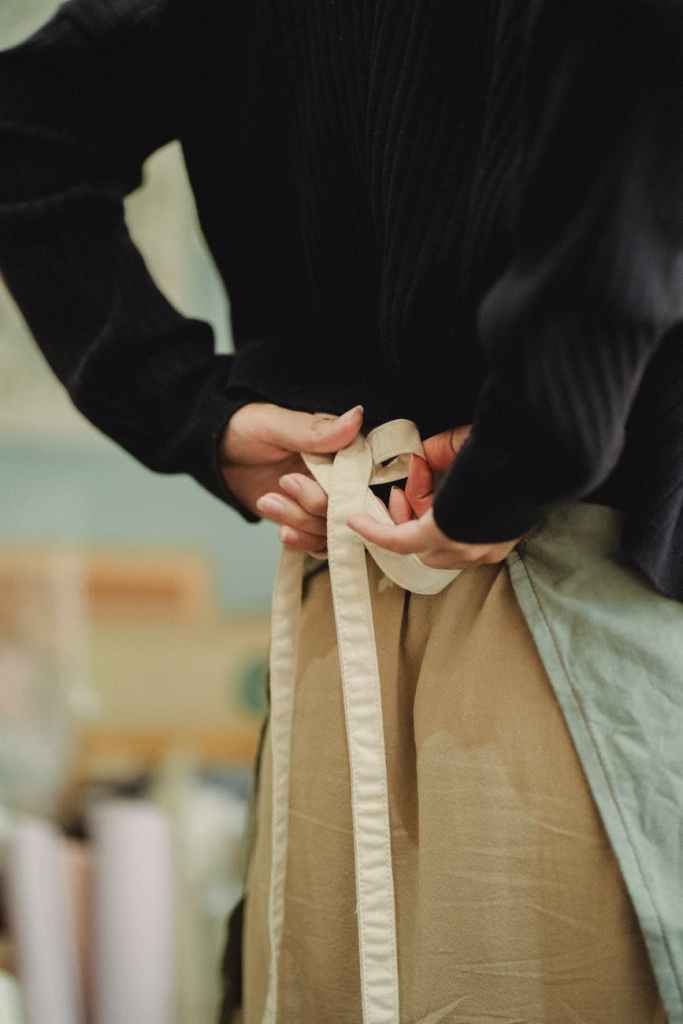
I especially like how the “apron strings” are long enough to wrap all the way around from the back to the front of me and tie neatly to the right side. I tuck a clean towel in by my left hip so I can wipe my hands on it as I’m working.
I love aprons—always have. I snatch them up at junk stores and have even sewn a few in my day. I have several in a box upstairs in storage and three drawers full in my bakery! I pull them out and wear them feeling the love from the person that they may have belonged to, or from the friend that made my daily apron selection. It’s comforting and on some strange level, wearing the apron makes me feel like I belong.
A farrier/blacksmith wears a heavy, leather apron. A welder wears the same. A seamstress, a gardener, a carpenter, a scientist all wear an apron. A hairdresser, a painter, and a housekeeper. A baker, a chef, a chemist, an x-ray tech, a waitperson, and a homemaker wear an apron. The apron that we wear somehow says here’s what I do and where I belong!
The word apron is a derivative of a French word from the 14-century “naperon”, (“napron” by the 17th century) which means: small tablecloth, napkin, or frock. Of course we know that is worn to cover up and protect our frontside and clothing from harm or damage. (Merriam-webster.com)
What is your memory of an apron? Do you wear one for your line of work? Maybe you are like June Cleaver and wear one to protect your dress as you prepare for your dinner party! Many mothers and housewives wore aprons daily in the 50’s and 60’s. It was part of their attire for that day and they may have even changed into a clean “frock” when their man came through the door from a hard day’s work. There were of course dressy, sheer lacy aprons, and plain, muslin, functional aprons.
I still have a very colorful apron from my Grandma Betty. It’s still one of my favorites to don while baking up my culinary delights. We have a family slide of my Grandma Lily at Christmastime standing in her kitchen with a snappy, little apron covering her dress clothes while she is smashing potatoes.
I always loved going into the City Bakery in Red Lodge, MT. In the old days they had all of those old aprons strung along the tops of the walls with a clothes line and clothes pins to add to the antique themed decor.
There are many good books on the history of aprons. I love that you can even pinpoint the year in which the apron was made or worn by the fabric, buttons and decorative notions. (Remember rick rack? Was that just a 70’s thing?!)
With Thanksgiving and Christmas right around the corner, I hope you find some joy in the kitchen baking up something new with family and friends. Or, you could just order pizza! Either way you have my permission to pull out that apron, put it on, and enjoy each new day as it comes.
Interestingly, I have found the only thing I can control is my attitude. I sure wish I controlled the weather and that the throes of winter weren’t before us. Even so, the warmth of an oven baking up my favorite bread and the hugs of a colorful apron to keep my wayward thoughts focused on loved ones will certainly pass the dark, long night of Wyoming winters. Find joy in the little things—because we can.
Here’s a little food for thought:
“One Day at a Time”
Everyday now, the countryman will remind you, is another day toward spring. If it is bright and sunny, it is a bonus day to weigh against the winter averages. If it is raw and blustery, full of snow or sleet or torturing wind, it is one more day of winter endured. Either way, it moves us another step toward April.
The days themselves are changing. When the year turned, the sun was in the sky for only a little more than nine hours. In mid-February it will be there, visible or not, an hour and a half longer. And the night hours of darkness are loosing their grip on the numbing cold. Until the middle of February, the nights will have been losing about two minutes of darkness each day, but after this period they will lose almost three.
Don’t go looking for spring just down the road. All you will find is March. The vernal equinox now is just weeks ahead, true; but spring isn’t a date on a calendar, and it isn’t an astronomical calculation set down in an almanac. Spring is a new sprout, an unfolding leaf, a blossom and a bee. It is brooks chattering across the meadows and peepers shrilling in the bogland in the dusk.
But first, winter must pass. And winter, whether it lifts your heart or tries your soul, still passes one day at a time. —Editorial in the New York Times
You most likely have a favorite song or a favorite band simply because you love their style or genre, or they play a mean guitar, or you derive deep meaning from their compositions. At any rate, their music speaks some sort of truthful energy into your soul. It resonates somehow. Music will do that. It’s its own universal language.
For me, I have always enjoyed a good balladeer such as the likes of James Taylor, John Denver, Jim Croce, and of course, Bob Seger. I fancy myself a bit of a songwriter and was so moved by these greats as a younger woman.
Today I was reminded of one of Bob’s songs, I’m sure you’ve listened to it on the radio: ‘Like a Rock.’
It’s the line that goes: “And I stood arrow straight, unencumbered by the weight of all these hustlers and their schemes. I stood proud I stood tall, high above it all, I still believed in my dreams… (enter: epic guitar solo!) Not only is this lyrical genius, it’s a desire that strikes a chord with anyone who’s ever been challenged on any level… that’d be all of us. You’re not a quitter and neither am I!
As I walked down the pasture in the bright sunlight of this early morn, my steps lightened when these words parted my lips. I have been onto some new challenges as of late and am feeling a bit apprehensive. Not one to back down from a fight, my spirit rose up to greet this powerful lyric that blessed my memory.
Yes, music can lift our weary spirits and evoke forgotten strength imparted from old, secret friends — like my yellow transistor radio!
Are you in need of encouragement today? May you find some here. Put on your old records, cassette tapes, or Spotify and have yourself a mini revival. I’ll be the one cheering you on and holding your arms up!
Saddle up and ride, Missy! We got a trail to blaze!
(A revision of an article in a past Cody Living publication.)
Here now we find ourselves headlong into spring! “Flowers appear on the earth; the season of singing has come!” Song of Songs 2:12
The tricksy season is upon us with 50 or 60° days and then 4 to 8 inches of cold snow the next. My heart can’t take such teasing, but I endure knowing that the warmth of April and May is right around the corner. I mean, after all, it’s not like it’s December or January, right? (…even if it feels like it everyday!)
The busyness of tilling and soil preparation will soon be going on all around us and those planted seeds will yield a sprout of hope pointing toward harvest. If you’ve been on this planet for very long you will know this one truth: summer is always in a hurry to pass us by and it’s up to us to take the time to make it linger!
As I walk my burgeoning fields the pasture grass is on the rise. The horses turn loose of their winterwear with fur and heels flying, reflecting the freedom of the warm spring sun.
The birdsong fills my ears. The Cranes, the always faithful Robin, the Meadowlark, and of course the Red Wing Blackbird with his trills and tweets. Nothing lifts my spirits more than the fragrancies of thawing, wet earth and harmonizing bird notes.
I have lived most of my days outside. Maybe your mama was always issuing you the same warning: “Go outside and play or else!” Now I know as somebody’s nana, she was wanting to get down to some spring housekeeping and perhaps had a new recipe in mind she was longing to employ. Kids underfoot make for an unnecessary distraction in attempting to complete either endeavor.
Here’s a little spring poem for you:
“Answer to a Child’s Question” — Samuel Taylor Coleridge 1772-1834
Do you ask what the birds say? The sparrow, the dove, the linnet and the thrush say: “I love and I love!” In winter they are silent the wind so strong; what it says I don’t know but it seems a loud song. But green leaves and blossoms in sunny warm weather and singing and loving all come back together. But the lark is so brimful of gladness and love, the green fields below him the blue sky above, that he sings and he sings, and forever sings he: “I love my love and my love loves me.”
… and a springtime recipe to bake for your family:
Classic Carrot Cake
8 oz crushed pineapple (drained)
4 large eggs
2 c shredded carrots (about 4 medium)
1 c white sugar
1 c brown sugar
1 c canola oil
2 c AP flour
2 teas baking soda
2 teas cinnamon
1/4 teas salt
3/4 c toasted pecans ( optional)
Preheat oven to 350° and grease a 13 x 9 baking dish
In a bowl whisk together all the dry ingredients: flour, soda, cinnamon, salt and nuts if using. Set aside
In a large mixing bowl with a paddle attachment stir together eggs, carrots, sugars, oil, and pineapple. Add flour mixture in and mix up until everything is moistened. Do not over mix. Transfer mixture into prepared baking dish and bake until tester comes out clean —approximately 35 to 40 minutes
Remove from oven and placed on a wire rack to cool completely.
Frosting
8oz cream cheese at room temp
4 oz butter at room temp
1 tablespoon real vanilla
1 lb. Confectioners sugar
4-6 tablespoons of milk
Beat butter and cream cheese together. With mixer running on low speed add a 1/4 cup or so of powdered sugar at a time, add vanilla, add milk in small increments intermittent with powdered sugar until a nice creamy texture appears. Frost that cooled cake, put the kettle on to boil, call up your neighbors to come over for a piece of cake and a have yourselves a good visit!
Yes, it’s that time of year again! Time to re-evaluate, reroute, rewrite, rethink, rewire, renew, and basically overhaul your lifestyle because of the date. Excuse me? I don’t know about you, but I find this matter slightly disconcerting. I am not built this way, and maybe you’re not either. Let me put it to you in other words.
I started last year, and the year before that, and the year before that, day after day, day in and day out to begin better habits for the coming of each new year. I do not find it helpful to set unrealistic goals and expectations upon myself come January because the calendar pages turn. There’s always going to be another January -they seem to come at least once a year! Now you can call me simple, but I’m thinking (hoping) there’s going to be another January before I die. So, I find it useful to start a good habit, say in July, or November. This helps me to keep moving forward positively and resolutely. I’d like to think that I could be strong and teachable, on any given day.
I heard a quote the other day stating that clutter is simply unmade decisions. You know, like that box full of memories from your grandmother who passed away about 25 years ago. You can’t decide what to do with it, to unpack it, to give it away, or even the decision to just leave it sitting there with all the other boxes of old papers, and books, and clothes, and shoes, and coats, and dishes that you’re never going to use…ever again. Please trust me on this one. I have taken a few extra spins around the sun and perhaps know a little about decision making and collecting things.
In my finite wisdom and excellent decision making processes, I have as of late, made five decisions towards my lifetime of possessions: there will not be another bakery, I will not open a bookstore, I will not open a bed-and-breakfast, there will be no rock band that I am to be the lead singer/lead guitarist of, and I will not own a wonderfully organized and well-stocked, indoor riding arena/stable. This has begun to reduce clutter in my household and in my mind. You may think this all sounds cynical and that I’ve lost hope, but that is far from the truth. It’s called being realistic, which is something I’ve been quite unfamiliar with! I believe I may have a new found freedom in being more realistic and focusing my attention on things that actually matter.
Let’s ponder for a moment things that may actually matter. How about more wonderment and less wondering why. This thought seems freeing, somehow bringing less self-imprisonment in the mind —an accepting of the unacceptable of sorts.
What if we had more remembrance and less ungratefulness. We could focus on the good things in our lives, the good people in our lives, the good words spoken into our lives, and less on complaining and dashing everybody around us against the rocks trying to compare our lives with others.
What if we gave more forgiveness hence carrying less heavy baggage? Take it from me, unforgiveness is a large backpack filled with old rocks that need to hit the ground. This may even include forgiving ourselves.
How about if we took self care for a spin and left exhaustion on the curb? What if we really did have less imaginative troubles and more real ones like: I might have to put on an extra layer to go for a ten minute walk and get some new air in my lungs. Oh what joy and self introspection could there be with the wild Wyoming winds whipping my hair about my face? What about that cup of cold water that you forgot to drink today?
I think maybe the biggest take away from all these words is that on a day-to-day basis we could probably take time to clean up some details in our life that have been niggling us all along. This might free up mind space, home space, and heart space, thus giving us more of our sweet selves to give to others.